
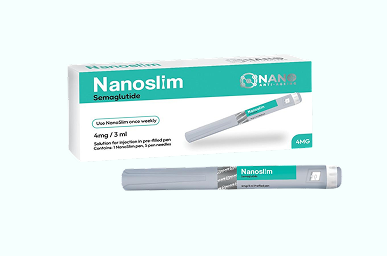
Semaglutide: The advantage using with a Prefilled Pen
Semaglutide: An Overview and the Advantages of Prefilled Pen Administration Semaglutide is a glucagon-like peptide-1 receptor agonist (GLP-1 RA) that
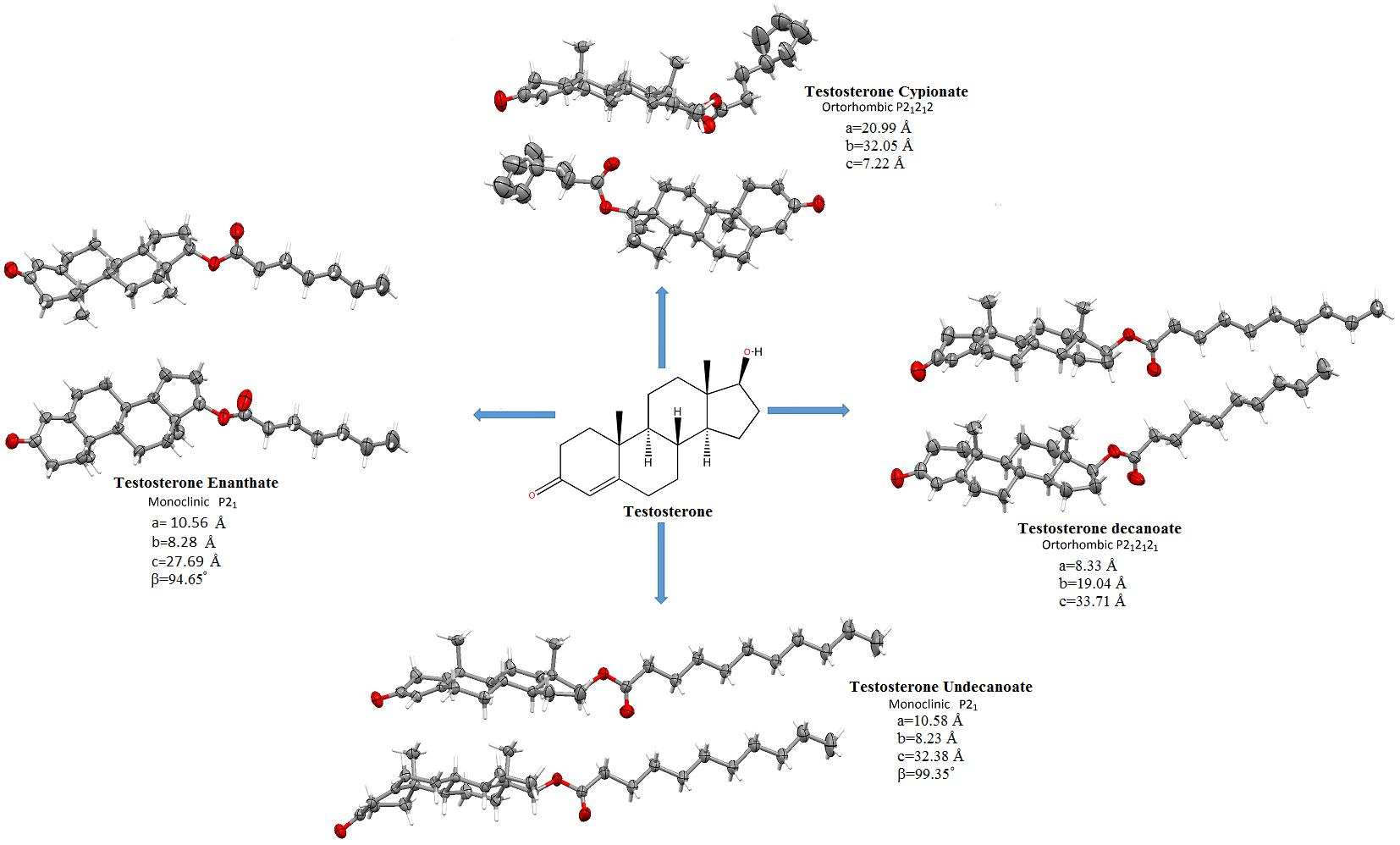
Anabolic steroid esters, modified forms of testosterone or nandrolone, have gained recognition for their anabolic properties in both therapeutic and athletic contexts. Their classification into short-acting and long-acting esters is critical, influencing their pharmacokinetics and clinical applications. This article aims to synthesize the pharmacological aspects of anabolic steroid esters, their medical relevance, and the distinctions between different esters regarding their duration of action.
Anabolic steroids are commonly categorized based on the length of their ester side chains. Esters can be classified into short-acting and long-acting categories, which significantly affect their pharmacological behavior.
Short-acting esters have a shorter half-life, leading to quicker peaks of testosterone levels and more pronounced effects shortly after administration. Common examples include:
Long-acting esters are designed for sustained release and prolonged action, reducing the frequency of administration. Key examples include:
Anabolic steroid esters exert their effects primarily through androgen receptor activation. Upon administration, the ester bond is hydrolyzed, releasing free testosterone which then binds to androgen receptors in various tissues, leading to effects such as increased muscle protein synthesis and enhanced nitrogen retention. This mechanism emphasizes the importance of ester structure, as variations can lead to differences in pharmacodynamics and overall anabolic effects.
The medical use of anabolic steroids encompasses a variety of applications, including:
Despite their clinical applications, anabolic steroid esters pose significant risks when misused, particularly in athletic settings. These risks include:
The distinction between short-acting and long-acting esters is crucial in therapeutic and athletic contexts.
| Steroid Ester | Ester Name | Ester Weight (g/mol) | Total Weight (g/mol) | Type |
|---|---|---|---|---|
| Testosterone Propionate | Propionic Acid | 74.08 | 344.49 | Short-acting |
| Testosterone Acetate | Acetic Acid | 60.05 | 300.44 | Short-acting |
| Testosterone Enanthate | Enanthic Acid | 116.18 | 344.49 | Long-acting |
| Testosterone Cypionate | Cyclohexanecarboxylic Acid | 174.23 | 344.49 | Long-acting |
| Nandrolone Decanoate | Decanoic Acid | 172.26 | 428.61 | Long-acting |
| Nandrolone Phenylpropionate | Phenylpropionic Acid | 150.20 | 346.49 | Short-acting |
| Stanozolol (Winstrol) | N/A | 0 | 344.49 | Short-acting |
| Boldenone Undecylenate | Undecylenic Acid | 168.25 | 429.64 | Long-acting |
| Methenolone Acetate | Acetic Acid | 60.05 | 288.42 | Short-acting |
| Testosterone Undecanoate | Undecanoic Acid | 186.29 | 400.57 | Long-acting |
The specific weights of esters are crucial for determining dosing protocols in both therapeutic and performance enhancement settings. For instance, shorter esters typically require more frequent administration because their faster metabolic breakdown results in quicker clearance from the body. Conversely, longer esters like testosterone cypionate or nandrolone decanoate allow for more extended therapeutic effects with less frequent injections due to their larger ester weights and slower elimination rates.
Anabolic steroid esters represent a nuanced field within pharmacology, offering both therapeutic benefits and risks. Understanding the critical differences between short-acting and long-acting esters, especially regarding their weights and pharmacological implications, is vital for both clinical applications and safe practice among individuals who may consider their use. Further research is necessary to elucidate long-term health outcomes and establish clear guidelines for safe usage.
References:
Bubna, A. and Viplav, V. (2025). Stanozolol in dermatology: Clinical applications and safety considerations. Journal of Skin and Sexually Transmitted Diseases, 7, 101-105. https://doi.org/10.25259/jsstd_25_2025
Ferenchick, G., Hirokawa, S., Mammen, E., & Schwartz, K. (1995). Anabolic‐Androgenic steroid abuse in weight lifters: Evidence for activation of the hemostatic system. American Journal of Hematology, 49(4), 282-288. https://doi.org/10.1002/ajh.2830490405
George, A. (2003). The actions and side effects of Anabolic Steroids in sport and social abuse. Andrologie, 13(4), 354-366. https://doi.org/10.1007/bf03035203
Hemmersbach, P. and Große, J. (2009). Nandrolone: A Multi-Faceted Doping Agent., 127-154. https://doi.org/10.1007/978-3-540-79088-4_6
Ip, E. and Silva, M. (2022). Unsafe Behaviors and Anabolic Steroid Use., 1-19. https://doi.org/10.1007/978-3-030-67928-6_134-1
Mielczarek, M., Wójcik, P., Sroczyński, J., Lachowska, J., Senior, K., & Smandek, J. (2025). Anabolic androgenic steroids intake and its impact on male reproductive system – systematic review. Quality in Sport, 38, 57738. https://doi.org/10.12775/qs.2025.38.57738
Nishi, R., Motegi, T., Maeda, S., Tamahara, S., Momoi, Y., Matsuki, N., … & Yonezawa, T. (2021). Clinical assessment of testosterone analogues for urethral sphincter mechanism incompetence in ten spayed female dogs. Journal of Veterinary Medical Science, 83(2), 274-279. https://doi.org/10.1292/jvms.20-0515
Penatti, C., Porter, D., & Henderson, L. (2009). Chronic Exposure to Anabolic Androgenic Steroids Alters Neuronal Function in the Mammalian Forebrain via Androgen Receptor- and Estrogen Receptor-Mediated Mechanisms. Journal of Neuroscience, 29(40), 12484-12496. https://doi.org/10.1523/jneurosci.3108-09.2009
Sharma, P., S, I., & DK, M. (2019). STEROIDS IN THE TREATMENT OF CHRONIC DISEASES. Asian Journal of Pharmaceutical and Clinical Research, 91-97. https://doi.org/10.22159/ajpcr.2019.v12i7.33543
Semaglutide: An Overview and the Advantages of Prefilled Pen Administration Semaglutide is a glucagon-like peptide-1 receptor agonist (GLP-1 RA) that
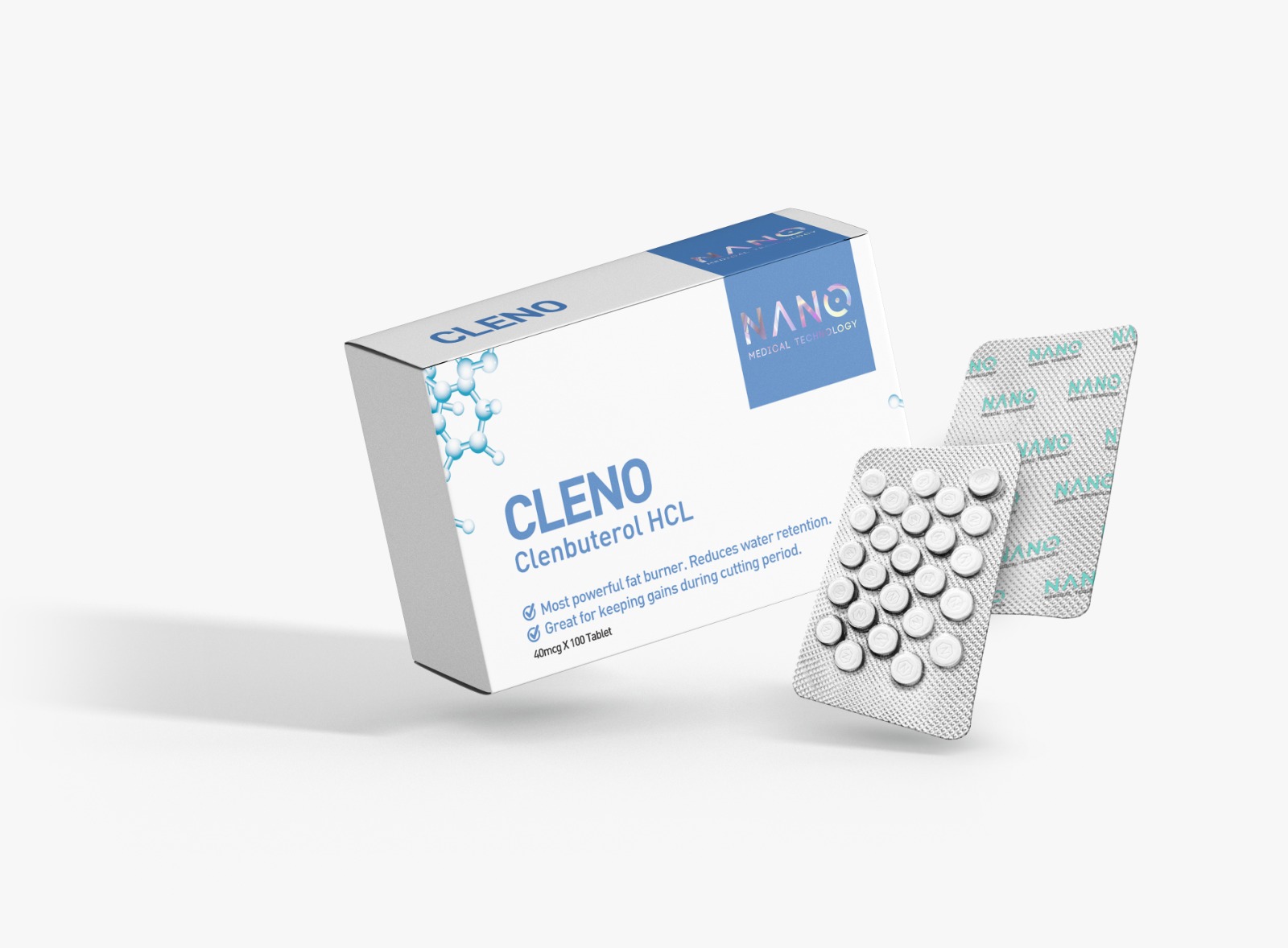
Clenbuterol in Diet: Mechanisms, Efficacy, and Risks Introduction Clenbuterol, a selective β2-adrenergic agonist, has garnered attention not only for its