
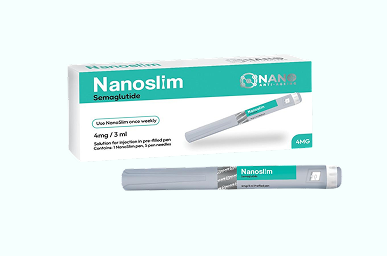
Semaglutide: The advantage using with a Prefilled Pen
Semaglutide: An Overview and the Advantages of Prefilled Pen Administration Semaglutide is a glucagon-like peptide-1 receptor agonist (GLP-1 RA) that

PT-141, also known as Bremelanotide, is a synthetic analog of α-melanocyte-stimulating hormone (α-MSH) and primarily functions as a melanocortin receptor agonist. Its role in improving sexual function has garnered attention due to its unique mechanisms compared to traditional treatments for erectile dysfunction (ED), particularly phosphodiesterase type 5 (PDE5) inhibitors such as sildenafil (Viagra) and tadalafil (Cialis).
PT-141 functions by stimulating melanocortin receptors in the central nervous system, which play a role in sexual arousal and erectile response. Unlike PDE5 inhibitors that increase blood flow to the penis, PT-141 acts at a neurological level, potentially benefiting individuals who do not respond adequately to traditional treatments. Evidence indicates that PT-141 can effectively promote erectile function by modulating mechanisms of sexual behavior in the hypothalamus, leading to increases in sexual desire and arousal, particularly in men with erectile dysfunction and women with female sexual arousal disorder (Rosen et al., 2004; Hallam et al., 2007).
Furthermore, studies have demonstrated that PT-141 can induce erections in both men and women, highlighting its versatility in sexual dysfunction therapies. Its unique mechanism suggests potential advantages for individuals whose erectile dysfunction may not respond to PDE5 inhibitors, including cases driven by psychological factors (Allahdadi et al., 2009; Hallam et al., 2007).
PT-141 is generally administered via subcutaneous injection. Clinical trials suggest the most effective and safest dosing regimen for PT-141 typically falls within the range of 1 mg to 2 mg, taken approximately 45 to 60 minutes before sexual activity. The effects may last for several hours, aligning with increases in sexual desire and physiological responses (Rosen et al., 2004; Hallam et al., 2007). Given the medication’s unique mechanism of action, healthcare providers should tailor the dosage to individual patient needs, considering factors such as overall health status and prior responses to therapy (Rosen et al., 2004; .
PDE5 inhibitors, including sildenafil and tadalafil, primarily enhance the nitric oxide signaling pathway, promoting vasodilation and increased blood flow to the penis upon sexual stimulation. Although these treatments are effective for a majority of ED cases, they may be less effective in individuals with specific psychological or neurological causes of dysfunction (Pyrgidis et al., 2021; Rosen et al., 2005).
In contrast, PT-141’s mechanism bypasses vascular pathways to directly activate neural pathways associated with sexual desire. This makes PT-141 particularly beneficial for men whose erectile dysfunction is not primarily due to vascular issues but rather has neurological, hormonal, or psychological origins. Research indicates that combining PT-141 with PDE5 inhibitors can support complementary benefits, enhancing sexual satisfaction and efficacy for certain populations resistant to mono-therapy (Rosen et al., 2004; Hallam et al., 2007).
Both treatment modalities offer distinct profiles, with PDE5 inhibitors typically producing more immediate effects in improving erectile function, with onset usually within 30-60 minutes and effects lasting from 4 to 36 hours depending on formulations (Shabsigh et al., 2005; Rosen et al., 2007). Moreover, PT-141’s prolonged duration of arousal effect, requiring no direct sexual stimulation to initiate an erection, offers alternative therapeutic options for patients seeking spontaneity in their sexual experiences compared to the more planned nature associated with PDE5 inhibitors (Shabsigh et al., 2005; Zhao et al., 2012).
PT-141 represents an innovative option in treating sexual dysfunction, diverging significantly from traditional PDE5 inhibitor approaches. Its ability to enhance sexual desire and arousal further underscores its potential role in managing erectile dysfunction. As research on PT-141 continues to evolve, it will offer nuanced understandings and treatment methods that can be personalized to accommodate individual experiences of sexual dysfunction.
References:
Allahdadi, K., Tostes, R., & Webb, R. (2009). Female Sexual Dysfunction: Therapeutic Options and Experimental Challenges. Cardiovascular & Hematological Agents in Medicinal Chemistry, 7(4), 260-269. https://doi.org/10.2174/187152509789541882
Hallam, T., Spana, C., Earle, D., Shadiack, A., & Sharma, S. (2007). Melanocortins in the Treatment of Male and Female Sexual Dysfunction. Current Topics in Medicinal Chemistry, 7(11), 1137-1144. https://doi.org/10.2174/156802607780906681
Pyrgidis, N., Mykoniatis, I., Haidich, A., Tirta, M., Talimtzi, P., Kalyvianakis, D., … & Hatzichristou, D. (2021). The Effect of Phosphodiesterase-type 5 Inhibitors on Erectile Function: An Overview of Systematic Reviews. Frontiers in Pharmacology, 12. https://doi.org/10.3389/fphar.2021.735708
Rosen, R., Broderick, G., Shabsigh, R., Swindle, R., Lockhart, D., & Cameron, A. (2005). Sensitivity of the Psychological and Interpersonal Relationship Scales to Oral Therapies for Erectile Dysfunction. Journal of Sexual Medicine, 2(4), 461-468. https://doi.org/10.1111/j.1743-6109.2005.00067.x
Rosen, R., Diamond, L., Earle, D., Shadiack, A., & Molinoff, P. (2004). Evaluation of the safety, pharmacokinetics and pharmacodynamic effects of subcutaneously administered PT-141, a melanocortin receptor agonist, in healthy male subjects and in patients with an inadequate response to Viagra®. International Journal of Impotence Research, 16(2), 135-142. https://doi.org/10.1038/sj.ijir.3901200
Rosen, R., Fisher, W., Beneke, M., Homering, M., & Evers, T. (2007). The COUPLES‐project: a pooled analysis of patient and partner treatment satisfaction scale (TSS) outcomes following vardenafil treatment. British Journal of Urology, 99(4), 849-859. https://doi.org/10.1111/j.1464-410x.2006.06737.x
Shabsigh, R., Burnett, A., Eardley, I., Sharlip, I., Ellsworth, P., García, C., … & Ahuja, S. (2005). Time from dosing to sexual intercourse attempts in men taking tadalafil in clinical trials. British Journal of Urology, 96(6), 857-863. https://doi.org/10.1111/j.1464-410x.2005.05750.x
Zhao, C., Kim, S., Yang, D., Kim, J., Park, N., Lee, S., … & Park, J. (2012). Efficacy and safety of avanafil for treating erectile dysfunction: results of a multicentre, randomized, double‐blind, placebo‐controlled trial. British Journal of Urology, 110(11), 1801-1806. https://doi.org/10.1111/j.1464-410x.2012.11095.x
Semaglutide: An Overview and the Advantages of Prefilled Pen Administration Semaglutide is a glucagon-like peptide-1 receptor agonist (GLP-1 RA) that
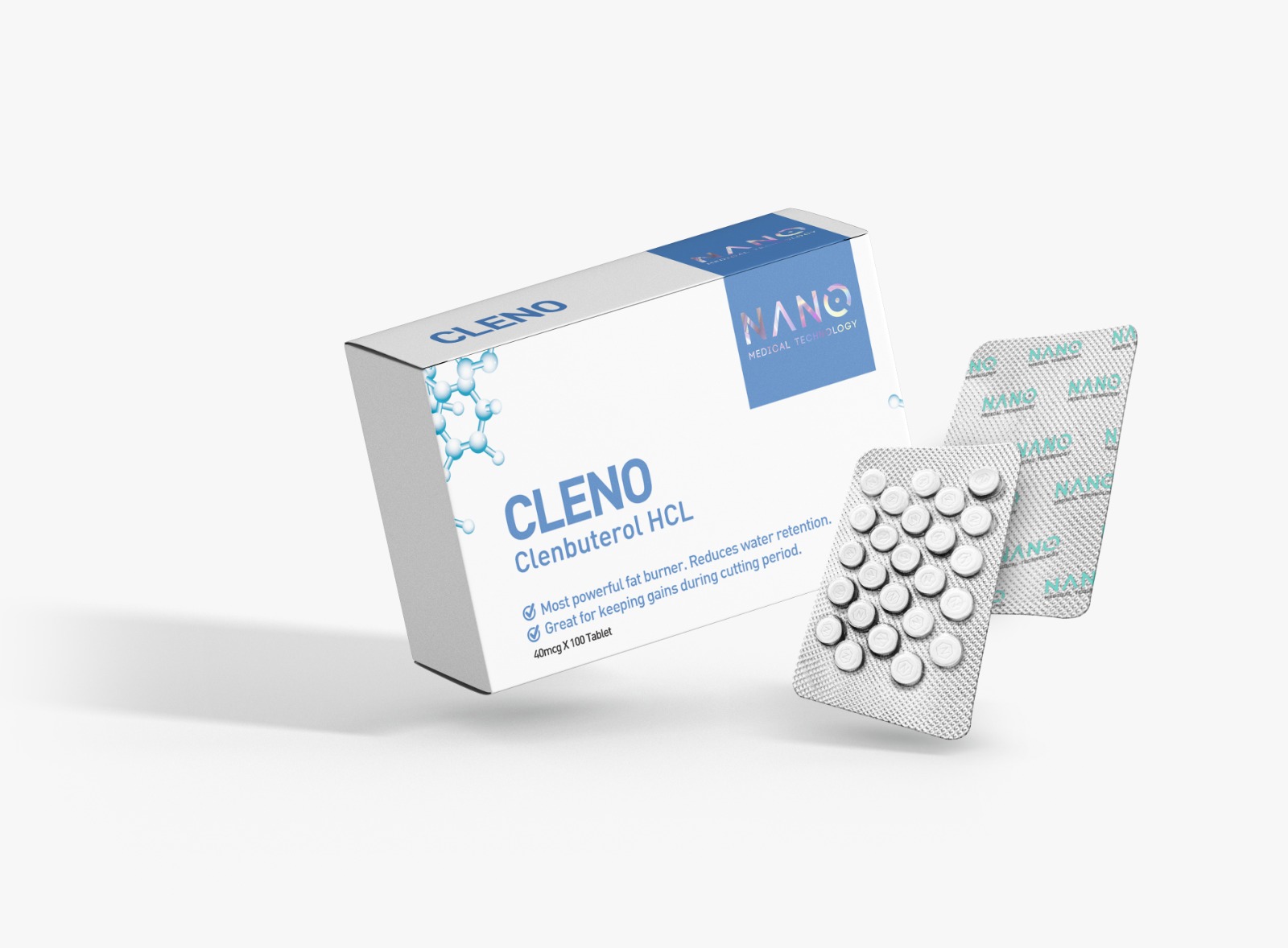
Clenbuterol in Diet: Mechanisms, Efficacy, and Risks Introduction Clenbuterol, a selective β2-adrenergic agonist, has garnered attention not only for its