
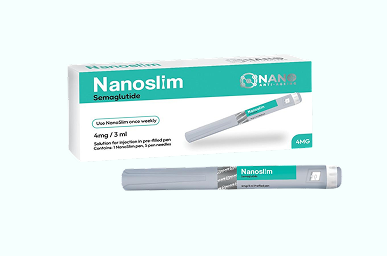
Semaglutide: The advantage using with a Prefilled Pen
Semaglutide: An Overview and the Advantages of Prefilled Pen Administration Semaglutide is a glucagon-like peptide-1 receptor agonist (GLP-1 RA) that
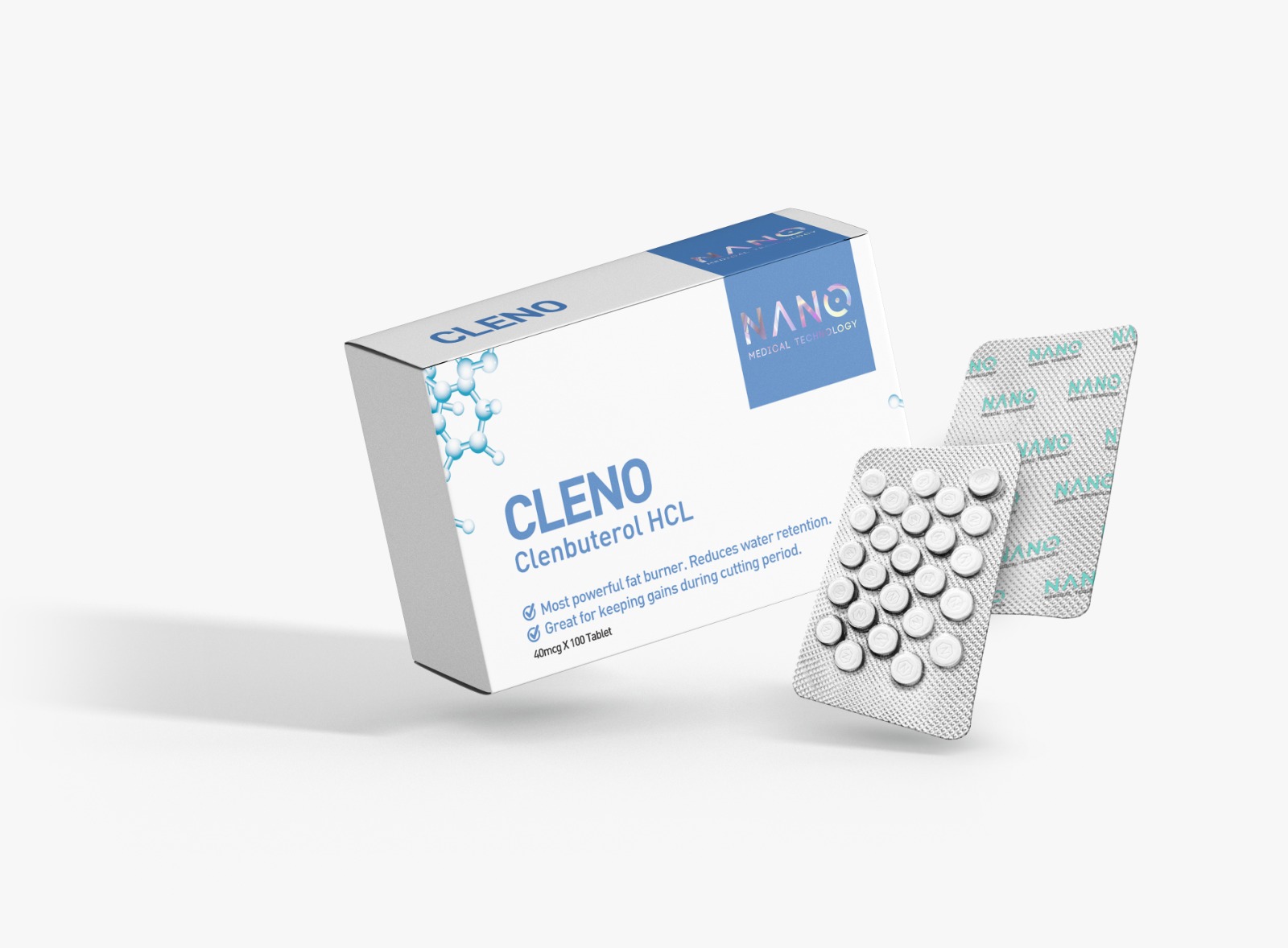
Clenbuterol, a selective β2-adrenergic agonist, has garnered attention not only for its therapeutic applications in treating respiratory conditions like asthma but also for its controversial off-label use in weight loss and muscle hypertrophy. Originally developed in the late 1970s, its metabolic effects have led to popularity among bodybuilders and athletes aiming to enhance muscle mass and minimize fat accumulation (Kataveni et al., 2025; . This article explores the mechanisms through which clenbuterol operates, its efficacy in a dietary context, and the associated health risks.
Clenbuterol primarily functions through β2-adrenergic receptor activation, leading to increased lipolysis and modifications in muscle protein metabolism (Costelli et al., 1995). The compound enhances energy expenditure and fat oxidation, contributing to a negative energy balance conducive to weight loss (Jessen et al., 2020). Additionally, it activates the mTOR signaling pathway, promoting protein synthesis in skeletal muscle, albeit with variable increases in muscle mass depending on context (Jessen et al., 2020). Importantly, clenbuterol’s anabolic effects appear to be more pronounced in conditions of muscle atrophy compared to healthy muscle tissues, suggesting its potential therapeutic utility in specific medical scenarios (Agbenyega & Wareham, 1990).
Studies have illustrated that clenbuterol can effectively reduce body fat percentage while preserving or even increasing lean muscle mass. For example, chronic administration has been shown to act as a repartitioning agent, allowing for reductions in adipose tissue while maintaining overall weight by contributing to muscle protein synthesis (Kearns et al., 2001). In horses, it demonstrated significant fat loss while maintaining fat-free mass, indicating true repartitioning without an increase in body weight (Nolen‐Walston et al., 2015). Furthermore, clenbuterol has been associated with improvements in muscle performance and strength in patients experiencing chronic conditions like heart failure (Jessen et al., 2020).
The anabolic properties of clenbuterol are validated by findings that show its ability to mitigate muscle wasting in situations such as denervated muscle atrophy (Jiang et al., 2011). The effects of clenbuterol appear to be contingent upon dosage and duration of use; therapeutic doses have produced favorable outcomes when managed properly (Sillence et al., 2002). However, the long-term use of high doses poses risks for adverse physiological consequences, particularly related to cardiovascular function Silva et al., 2024).
Despite its attractive benefits, the use of clenbuterol is not devoid of significant risks. Several studies highlight case reports of cardiovascular events, including hypertension and heart palpitations, associated with clenbuterol misuse (Kataveni et al., 2025; , Silva et al., 2024). It is important to note that while clenbuterol is used therapeutically at measured doses, the doses abused by athletes and bodybuilders often far exceed safe limits. This misuse raises ethical concerns, as many sporting organizations have banned clenbuterol due to its performance-enhancing properties (Baker et al., 1984).
Additionally, the consumption of animal products from livestock treated with clenbuterol poses health risks to humans. The drug has been documented to cause symptoms such as tremors and tachycardia in individuals consuming meat contaminated with clenbuterol residue from treated animals (Xiong et al., 2023). This further supports the argument for regulatory measures in both medical use and agricultural practices to prevent harmful exposures to consumers.
In conclusion, clenbuterol exhibits promising effects on fat loss and muscle maintenance, particularly in clinical scenarios involving muscle wasting. Its mechanisms of action are well-understood, though its safety profile and ethical implications are subjects of considerable concern. As such, the application of clenbuterol should be approached with caution, limiting its use to clinically justified situations and ensuring adherence to regulatory standards in both medical and agricultural contexts.
References:
Agbenyega, E. and Wareham, A. (1990). Effect of clenbuterol on normal and denervated muscle growth and contractility. Muscle & Nerve, 13(3), 199-203. https://doi.org/10.1002/mus.880130305
Baker, P., Dalrymple, R., Ingle, D., & Ricks, C. (1984). Use of a β-Adrenergic Agonist to Alter Muscle and Fat Deposition in Lambs1. Journal of Animal Science, 59(5), 1256-1261. https://doi.org/10.2527/jas1984.5951256x
Costelli, P., Garcı́a-Martı́nez, C., Llovera, M., Carbó, N., López‐Soriano, F., Agell, N., … & Argilés, J. (1995). Muscle protein waste in tumor-bearing rats is effectively antagonized by a beta 2-adrenergic agonist (clenbuterol). Role of the ATP-ubiquitin-dependent proteolytic pathway.. Journal of Clinical Investigation, 95(5), 2367-2372. https://doi.org/10.1172/jci117929
Jessen, S., Solheim, S., Jacobson, G., Eibye, K., Bangsbo, J., Nordsborg, N., … & Hostrup, M. (2020). Beta2‐adrenergic agonist clenbuterol increases energy expenditure and fat oxidation, and induces mTOR phosphorylation in skeletal muscle of young healthy men. Drug Testing and Analysis, 12(5), 610-618. https://doi.org/10.1002/dta.2755
Jiang, G., Gu, Y., Zhang, L., Shen, L., Yu, C., & Xu, J. (2011). Randomized, Double-Blind, and Placebo-Controlled Trial of Clenbuterol in Denervated Muscle Atrophy. Isrn Pharmaceutics, 2011, 1-7. https://doi.org/10.5402/2011/981254
Kataveni, S., Gourishetty, R., Mundada, S., Avvaru, M., Kollipara, V., & Gottimukkala, S. (2025). Clenbuterol Abuse in Bodybuilding and Athletics: Unsupervised Use, Psychological Motivations, and Health Consequences. Cureus. https://doi.org/10.7759/cureus.84904
Kearns, C., McKeever, K., Malinowski, K., Struck, M., & Abe, T. (2001). Chronic administration of therapeutic levels of clenbuterol acts as a repartitioning agent. Journal of Applied Physiology, 91(5), 2064-2070. https://doi.org/10.1152/jappl.2001.91.5.2064
Nolen‐Walston, R., Moore, C., Barr, C., Tomlinson, J., Boston, R., & Soma, L. (2015). Effect of long-term oral administration of a low dosage of clenbuterol on body fat percentage in working and nonworking adult horses. American Journal of Veterinary Research, 76(5), 460-466. https://doi.org/10.2460/ajvr.76.5.460
Sillence, M., Munn, K., & Campbell, R. (2002). Manipulation of growth in pigs through treatment of the neonate with clenbuterol and somatotropin1. Journal of Animal Science, 80(7), 1852-1862. https://doi.org/10.2527/2002.8071852x
Silva, V., Madeira, R., Joaquim, J., & Matos, C. (2024). Safety Implications of Off-Label Medication Use in Athletes: A Narrative Review. Medicines, 11(8), 20. https://doi.org/10.3390/medicines11080020
Xiong, Y., Wu, R., Xu, L., Zhong, Y., Ge, Y., Wen, Y., … & Ai, S. (2023). Machine Learning for Design of Phosphorene Nanozyme Sensor and Its Intelligent Analysis of Clenbuterol in Animal-Derived Agro-Products. Journal of the Electrochemical Society, 170(4), 047505. https://doi.org/10.1149/1945-7111/acc9e1
Semaglutide: An Overview and the Advantages of Prefilled Pen Administration Semaglutide is a glucagon-like peptide-1 receptor agonist (GLP-1 RA) that

PT-141: A Comprehensive Overview Introduction PT-141, also known as Bremelanotide, is a synthetic analog of α-melanocyte-stimulating hormone (α-MSH) and primarily