
$299.00
74 in stock



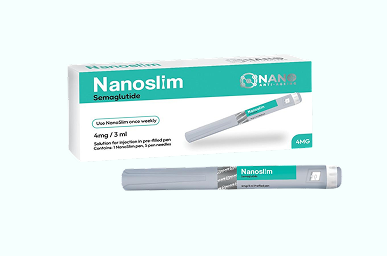
Semaglutide is a glucagon-like peptide-1 receptor agonist (GLP-1 RA) that plays a significant role in the management of type 2 diabetes mellitus and obesity. Approved by regulatory agencies for use in both treatment paradigms, semaglutide provides a means to improve glycemic control while promoting weight loss. Unlike traditional injectable medications, semaglutide is available in a convenient prefilled pen format, which has become a preferred delivery method for many patients and healthcare providers alike.
The efficacy of semaglutide has been established through various clinical trials, notably the SUSTAIN program, which has demonstrated substantial reductions in hemoglobin A1c (HbA1c) levels and body weight in patients with type 2 diabetes (Matza et al., 2019; Pratley et al., 2020). The mechanism of action involves enhancing glucose-dependent insulin secretion, suppressing glucagon release, and delaying gastric emptying, all contributing to improved glycemic control (Ashraf et al., 2024; Xu et al., 2022). Additionally, semaglutide’s long duration of action allows for once-weekly administration, which enhances patient compliance and overall therapeutic outcomes (Xie et al., 2013; .
Prefilled pens, such as those used for semaglutide, are designed for user-friendliness. They eliminate the need for complex preparation steps, such as reconstitution, which is a requirement for some medications delivered in powder form (Gentilella et al., 2018). The prefilled pen format allows patients to administer their medication with minimal training, effectively reducing the burden of daily management and increasing adherence. Studies have shown that devices that simplify injection steps significantly enhance patient satisfaction and compliance (Slabaugh et al., 2015)Bailey et al., 2011).
Using a prefilled pen substantially cuts down the time required for medication administration. Patients do not need to draw up their dose from a vial or reconstitute powdered formulations, thus streamlining the injection process. The simplicity of the prefilled pen helps patients to feel more confident in their ability to self-administer their medication effectively without complications (Xie et al., 2013; .
Prefilled pens are associated with a lower risk of dosing errors compared to reconstituted powders and vials, where incorrect mixing or dosage can occur. Furthermore, prefilled pens are designed to be single-use, reducing the risk of contamination and promoting sterility, which is crucial for injectable medications (Matza et al., 2019; Bailey et al., 2011). Many studies highlight the preference for pen devices owing to their reliability and enhanced safety in use, which is paramount for chronic condition management like diabetes (Slabaugh et al., 2015).
Research indicates that patients using disposable injection pens have higher rates of medication adherence compared to those using vials and syringes (Xie et al., 2013; Bailey et al., 2011). The thoughtful design of pens, often including features such as hidden needles and dose reminders, minimizes the psychological barriers to injection, such as fear of needles or injection pain (Brooks et al., 2019). This heightened satisfaction could translate into better clinical outcomes as well, as patients are more likely to stay committed to their treatment regimens.
Semaglutide presents a revolutionary treatment option for the management of type 2 diabetes and obesity, offering significant effects on glycemic control and weight loss. The advent of the prefilled pen for semaglutide administration not only simplifies the injection process but also enhances patient satisfaction and adherence. Compared to traditional reconstituted powders, the advantages of convenience, reduced preparation time, improved safety, and increased usage adherence underscore the superiority of the prefilled delivery method in chronic disease management.
References:
Ashraf, A., Mackey, T., Schmidt, J., Kulcsár, G., Vida, R., Li, J., … & Fittler, A. (2024). Safety and Risk Assessment of No-Prescription Online Semaglutide Purchases. Jama Network Open, 7(8), e2428280. https://doi.org/10.1001/jamanetworkopen.2024.28280
Bailey, T., Thurman, J., Niemeyer, M., & Schmeisl, G. (2011). Usability and preference evaluation of a prefilled insulin pen with a novel injection mechanism by people with diabetes and healthcare professionals. Current Medical Research and Opinion, 27(10), 2043-2052. https://doi.org/10.1185/03007995.2011.616190
Brooks, A., Langer, J., Tervonen, T., Hemmingsen, M., Eguchi, K., & Bacci, E. (2019). Patient Preferences for GLP-1 Receptor Agonist Treatment of Type 2 Diabetes Mellitus in Japan: A Discrete Choice Experiment. Diabetes Therapy, 10(2), 735-749. https://doi.org/10.1007/s13300-019-0591-9
Gentilella, R., Pechtner, V., Corcos, A., & Consoli, A. (2018). Glucagon‐like peptide‐1 receptor agonists in type 2 diabetes treatment: are they all the same?. Diabetes/Metabolism Research and Reviews, 35(1). https://doi.org/10.1002/dmrr.3070
Matza, L., Boye, K., Stewart, K., Coyne, K., Wullenweber, P., Cutts, K., … & García‐Pérez, L. (2019). Assessing patient PREFERence between the dulaglutide pen and the semaglutide pen: A crossover study (PREFER). Diabetes Obesity and Metabolism, 22(3), 355-364. https://doi.org/10.1111/dom.13902
Pratley, R., Aroda, V., Catarig, A., Lingvay, I., Lüdemann, J., Yıldırım, E., … & Viljoen, A. (2020). Impact of patient characteristics on efficacy and safety of once-weekly semaglutide versus dulaglutide: SUSTAIN 7
post hoc
analyses. BMJ Open, 10(11), e037883. https://doi.org/10.1136/bmjopen-2020-037883
Slabaugh, S., Bouchard, J., Li, Y., Baltz, J., Meah, Y., & Moretz, D. (2015). Characteristics Relating to Adherence and Persistence to Basal Insulin Regimens Among Elderly Insulin-Naïve Patients with Type 2 Diabetes: Pre-Filled Pens versus Vials/Syringes. Advances in Therapy, 32(12), 1206-1221. https://doi.org/10.1007/s12325-015-0266-5
Xie, L., Zhou, S., Wei, W., Gill, J., Pan, C., & Baser, O. (2013). Does Pen Help? A Real-World Outcomes Study of Switching from Vial to Disposable Pen Among Insulin Glargine-Treated Patients with Type 2 Diabetes Mellitus. Diabetes Technology & Therapeutics, 15(3), 230-236. https://doi.org/10.1089/dia.2012.0253
Xu, D., Nair, A., Sigston, C., Ho, C., Li, J., Yang, D., … & Xiao, H. (2022). Potential Roles of Glucagon-Like Peptide 1 Receptor Agonists (GLP-1 RAs) in Nondiabetic Populations. Cardiovascular Therapeutics, 2022, 1-9. https://doi.org/10.1155/2022/6820377
Lorem ipsum dolor sit amet, consectetur adipiscing elit. Ut elit tellus, luctus nec ullamcorper mattis, pulvinar dapibus leo.