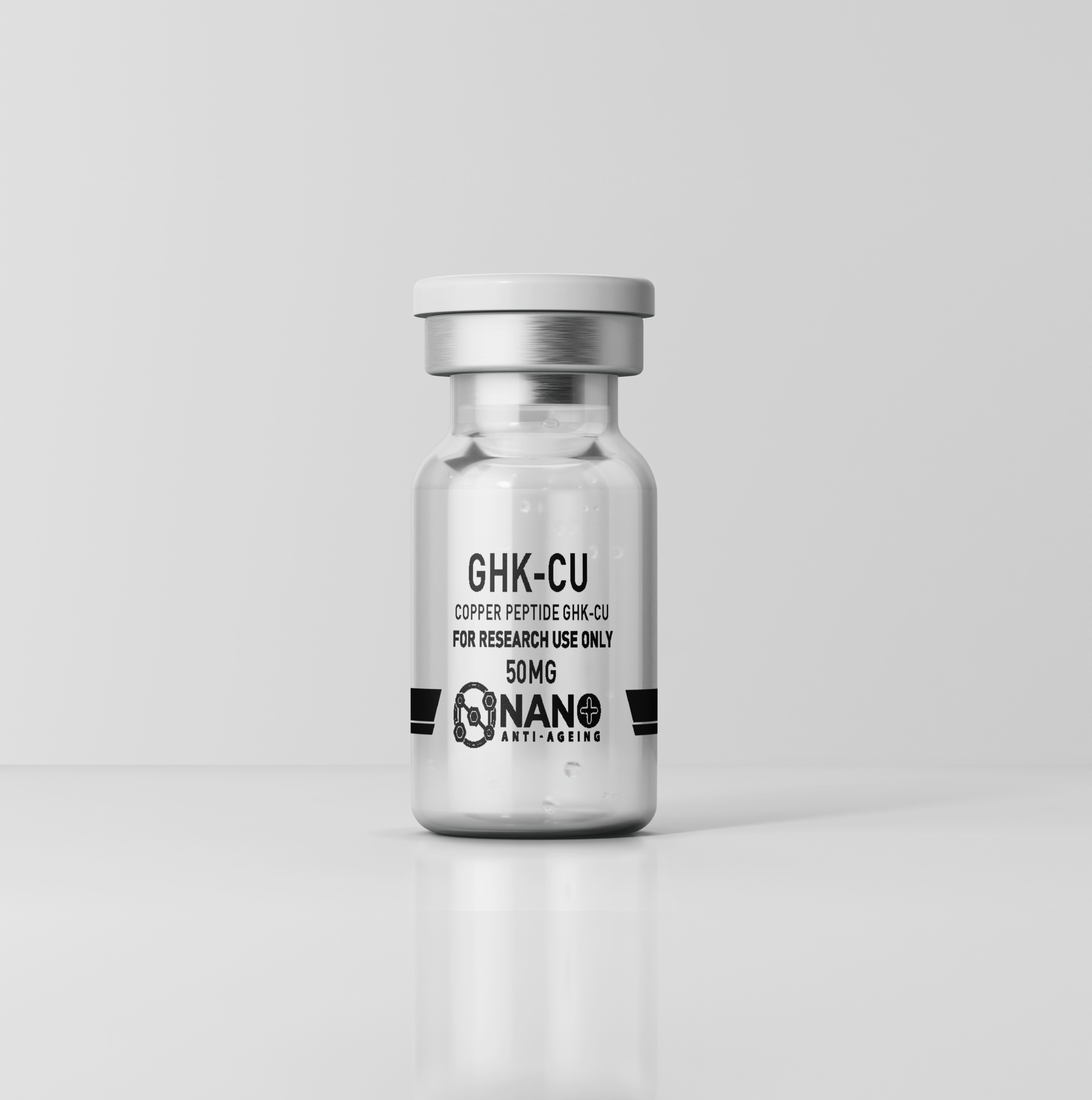
GHK-Cu, or glycyl-L-histidyl-L-lysine-copper complex, is a naturally occurring copper-peptide that has garnered attention for its regenerative and reparative properties, particularly in wound healing, tissue regeneration, and cosmetic applications (Cushman et al., 2024; Pickart et al., 2015)(Wang et al., 2017)Astaneh & Fereydouni, 2024; . The peptide is known to facilitate angiogenesis, increase collagen synthesis, and exhibit antioxidant and anti-inflammatory properties, making it a compelling target for therapy in various clinical and aesthetic contexts.
Recommended Dosage and Usage
Dosage: The standard recommended dosage for GHK-Cu varies based on application, but typical dosage ranges from 0.5 mg to 10 mg per application, with studies assessing varying concentrations based on the condition treated and the formulation used. For instance, topical formulations often utilize concentrations of around 1% or 5% of GHK-Cu (Wang et al., 2017). When utilized in clinical settings or research, doses may vary depending on the objective—whether enhancing wound healing, promoting skin regeneration, or optimizing cosmetic results.
Administration Method: GHK-Cu can be administered through various routes including topical creams, gels, and serums, as well as by subcutaneous or intramuscular injections depending on the desired outcome (Pickart & Margolina, 2018; Astaneh & Fereydouni, 2024; . Topical applications have shown efficacy in accelerating wound closure and enhancing skin quality, while injectable forms may target deeper tissue regeneration and improve local healing processes after surgeries or injuries (Cushman et al., 2024; Pickart et al., 2015).
Clinical Applications: GHK-Cu has been documented to augment wound healing through several mechanisms. Clinical research indicates its ability to promote fibroblast proliferation, angiogenesis, and collagen deposition, which are critical for efficient tissue repair and regeneration (Siméon et al., 2000; (Wang et al., 2017)Astaneh & Fereydouni, 2024; Pollard et al., 2005). For example, a study observing the application of GHK-Cu in diabetic models demonstrated significant enhancements in regenerative processes compared to controls (Wang et al., 2017). Furthermore, in vitro studies highlight GHK-Cu’s capacity to increase the presence of growth factors such as vascular endothelial growth factor (VEGF) and basic fibroblast growth factor (bFGF) (Pickart & Margolina, 2018; Pollard et al., 2005). These actions culminate in more rapid wound healing and improved tissue outcomes.
Conclusion
GHK-Cu emerges as a multifaceted peptide with notable benefits in skin regeneration, wound healing, and inflammation reduction. Its widespread applications, whether topical or injectable, suggest versatility in therapeutic contexts. Adhering to recommended dosages and administration methods, alongside regular monitoring of responses, can optimize therapeutic effects while minimizing potential risks. Given its regenerative profile and mounting evidence supporting its efficacy, GHK-Cu warrants further exploration in both clinical and cosmetic domains.